The LINEs project is a collaboration between a team based at the University of Glasgow (School of Education) and two charities working with teachers in refugee settlements in Lebanon (Mishwar) and Jordan (Sawiyan). In Jordan the project was facilitated by the British Council.
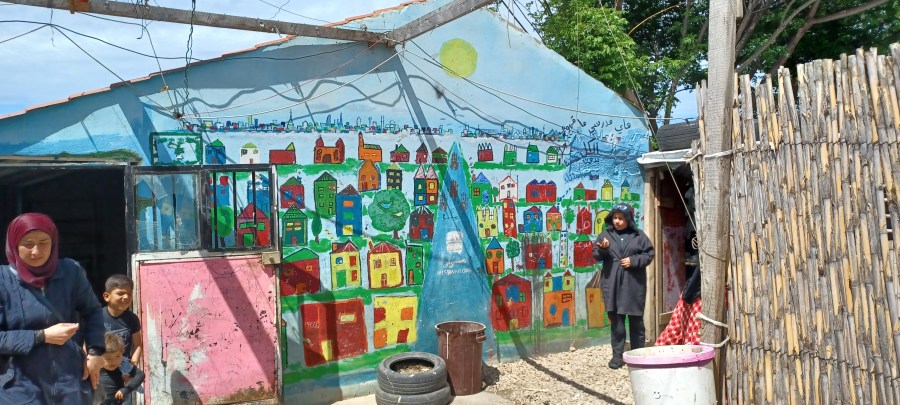
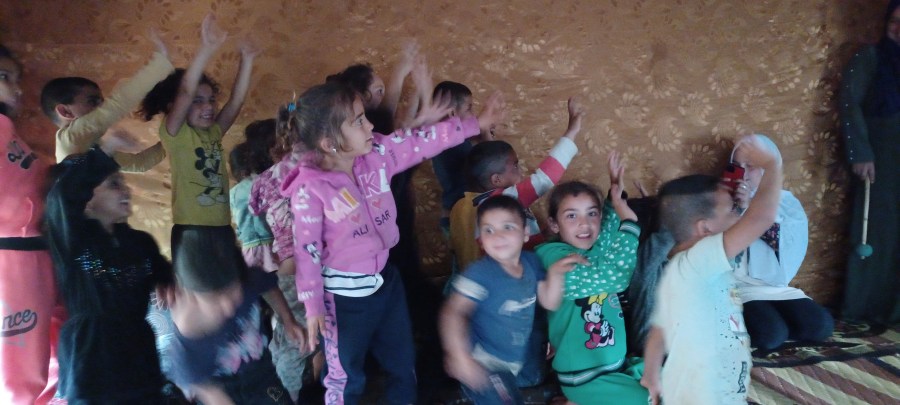
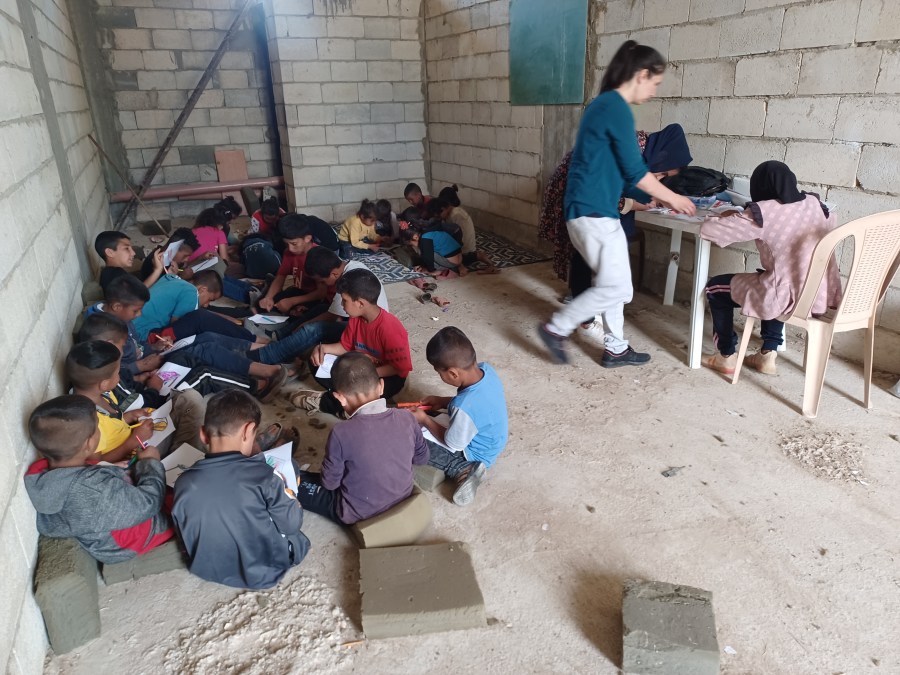
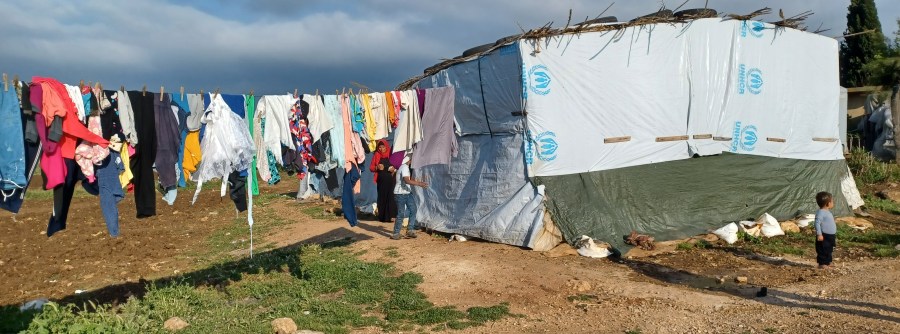
The language learning needs of refugees in Jordan and Lebanon are supported by teachers in formal, non-formal and informal settings. Teacher development can be lacking or inconsistent, particularly for teachers in informal contexts, even though these are key to education in emergency contexts, when formal education is disrupted. Teachers are often working through initiatives run by local or international NGOs which are time-bound and donor-dependent, and may be in a transitory position themselves, resulting in lack of continuity and shared learning. This also means that teachers in informal education have few opportunities to say what they need to develop as teachers and achieve their aspirations or to contribute to longer-term planning. This is a key challenge in refugee education, and for education in contexts of emergency and crisis more widely, and research shows that it has a negative impact on motivation and sense of purpose, with consequences for the overall education of refugees. In Arab states such as Lebanon and Jordan, there have been no significant improvements in the quality and delivery of adult education and lifelong learning, especially for vulnerable groups, including women and refugees.
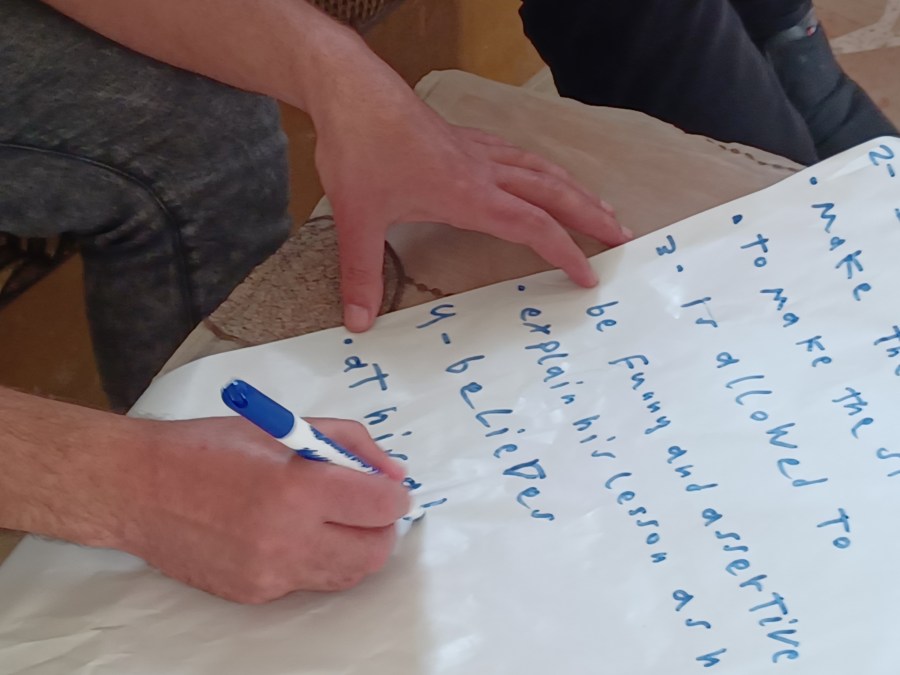
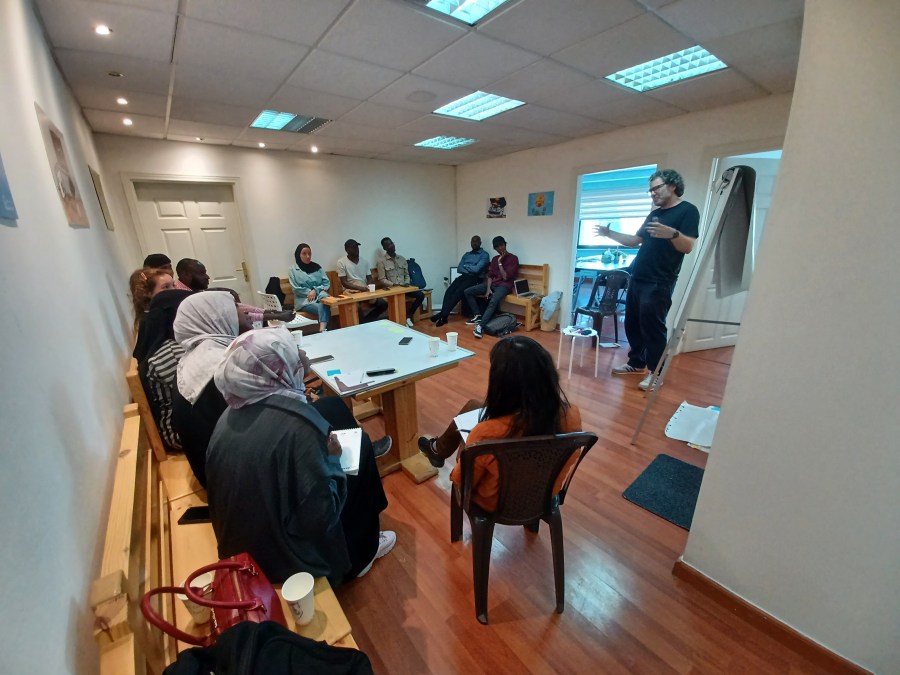
LINEs is a pilot project which aims to be also a first step towards the development of a larger proposal which will work across the arts and humanities, social sciences, and global mental health to research lifelong and continuing education for informal (language) educators in contexts of crisis and emergency, and in countries of ‘transit’. As a first step towards this goal, LINEs collected data in Lebanon and Jordan on the scope and nature of local challenges; explored new ways of co-creating teacher professional development; established relationships; developed and strengthened trust with NGOs and educators in each site to ensure collaboration and co-creation of knowledge with Global South partners working in challenging contexts.







 LINEs
LINEs 